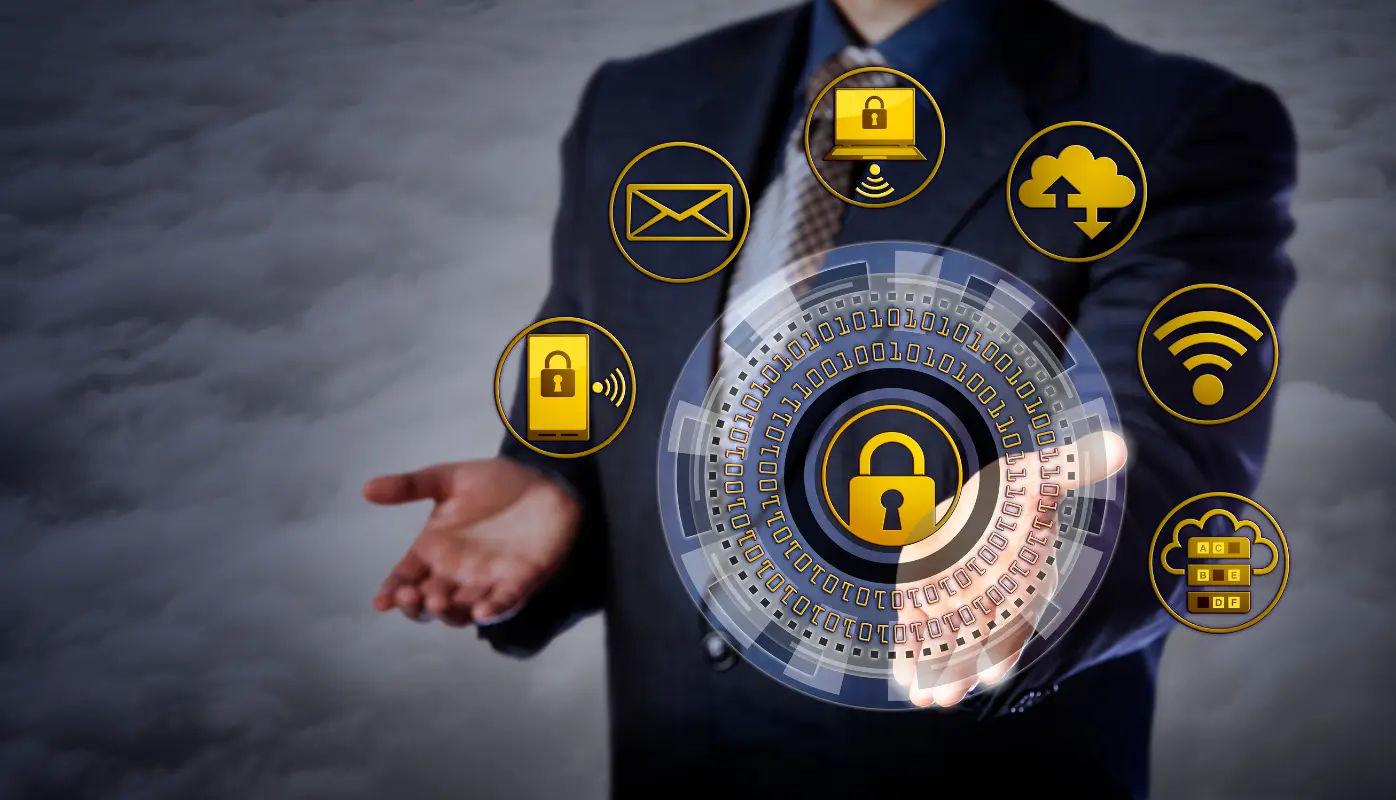
The Importance of Cybersecurity Awareness
The digital landscape is ever-changing, and so are cybersecurity threats. Being proactive about cybersecurity awareness acts as a crucial line of defense for any organization. Cyber threats continuously morph, making awareness vital for businesses wanting to secure their digital assets effectively.
Our increasing reliance on digital platforms brings the critical need for robust cybersecurity strategies. As we transition more to online operations and services, the frequency and complexity of cyberattacks amplify, demanding constant vigilance and up-to-date security measures.
Need Help? Use Legacy Suite Inc
Modernizing Legacy Planning for the Digital Age. Legacy Suite is your easy-to-use solution that combines estate planning and digital asset security. Manage important documents, keep your files safe, and protect your cryptocurrency. All in one place.
Start your Legacy journey today! To learn more, Visit. 888-578-4846
Awareness can significantly curtail the risk of data breaches and financial havoc. Understanding that most breaches originate from human error, encouraging comprehensive training and awareness can mitigate these vulnerabilities.
Common Cybersecurity Threats
Phishing attacks exploit human trust, often disguised as legitimate communications, to steal sensitive information like login credentials and financial data. Training and vigilance can significantly reduce their success rate.
Malware and ransomware attacks can cripple business operations. Malware infects systems, while ransomware encrypts data, demanding hefty ransoms for its release. Investing in good security practices and backup solutions is imperative.
Insider threats, whether unintentional or malicious, represent another risk. Employees can be conduits of breach through negligence or malevolent activities. Developing clear internal protocols and monitoring can alleviate these issues.
Emerging threats require constant attention to the latest attack vectors. Keeping abreast of new developments in cyber threats ensures that defenses aren't outdated.
Strategies for Enhancing Cybersecurity Awareness
Regular training programs remain a cornerstone in building threat recognition and response among staff. Frequent updates and practical lessons on identifying cyber threats help maintain a secure environment.
A culture of cybersecurity within an organization fosters an environment where everyone is a part of the security process. This shared responsibility helps identify and address vulnerabilities promptly.
Simulated attacks, such as phishing tests, can effectively assess preparedness and pinpoint areas for improvement, better-equipping employees to handle real-world threats.
Open communication about potential threats and suspicious activities is vital. Encouraging a transparent and responsive approach fortifies organizational security posture.
Operational Support for Cybersecurity
AI tools can identify and counteract threats automatically, offering real-time protection and lessening the workload on IT teams. These tools improve with time, learning from attacks to bolster defenses.
Clear protocols for incident response and recovery help in managing breaches efficiently. Structured plans offer guidance, minimizing potential damages through swift action.
Regularly updating systems and software helps close known security loopholes. Ensuring that patches and updates are timely applied significantly reduces exposure to threats.
Collaboration with cybersecurity experts for audits and assessments provides critical insights, helping businesses align their security strategies with current standards.
Choosing the Right Cybersecurity Solutions
Evaluating business needs aligns appropriate security technologies with organizational goals. Tailoring security measures ensures that businesses are both protected and efficient in their operations.
Due diligence in evaluating third-party vendors ensures that any external partnerships come with robust security assurances, safeguarding the integration of external services.
Security solutions should offer scalability and flexibility, adjusting to business growth seamlessly. This adaptability ensures ongoing protection without stifling progress.
Balancing costs with thorough coverage ensures that investments in cybersecurity provide effective protection without exceeding budgets, maximizing resource allocation.
Building a Cybersecurity-Conscious Organization
Leadership prioritizing cybersecurity at every organizational level underscores its importance. When leadership champions security, it becomes ingrained in the organizational DNA.
Integrating cybersecurity into risk management frameworks allows for a comprehensive view of organizational vulnerabilities and aligns security objectives with broader business strategies.
A well-defined formal policy clarifying roles and responsibilities helps avoid confusion and ensures that security duties are appropriately assigned and understood.
Promoting continuous learning and adaptation keeps organizations agile and ready to counter new threats as they evolve.
Monitoring and Measuring Cybersecurity Awareness
KPIs are essential to gauge the effectiveness of cybersecurity programs. These indicators provide measurable insights into how well an organization is managing its risks.
Feedback mechanisms allow for the continuous refinement of cybersecurity training, ensuring that programs grow and adapt in line with emerging threats.
Regular revision of cybersecurity awareness content ensures it remains relevant and impactful, helping employees remain equipped to face evolving challenges.
Analyzing incident reports uncovers gaps in awareness, allowing for targeted efforts to reinforce understanding and preparedness.
Legacy Suite Inc Business Address: 3790 El Camino Real #1121 City: Palo Alto State: CA Zip: 94306 Phone: 888-578-4846