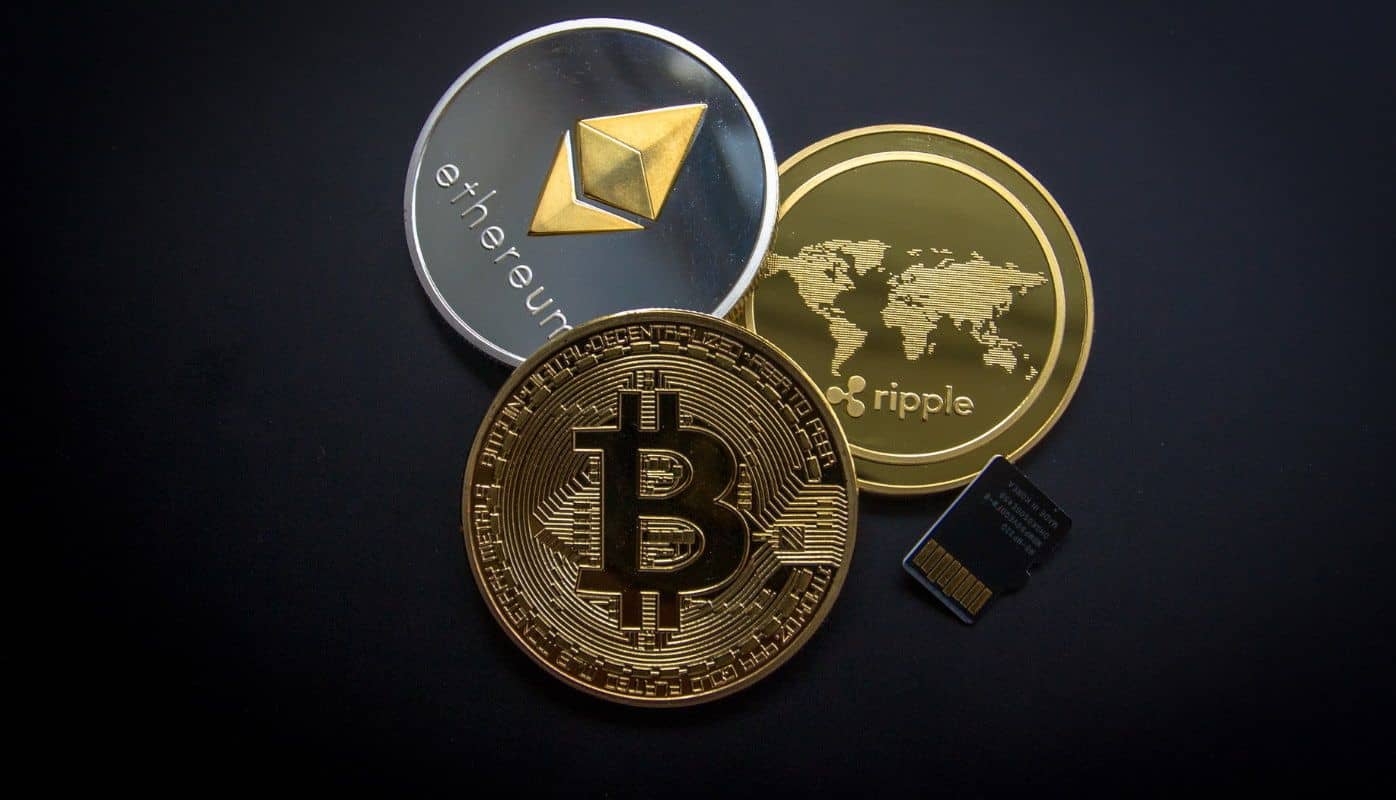
In the digital age, where the boundaries between the physical and the virtual blur, a new form of currency has emerged – cryptocurrency. At the heart of this digital revolution lies the concept of a crypto wallet, a secure vault that unlocks access to your virtual riches. But what exactly is a crypto wallet, how does it work, and what nuances set different types apart? Let's delve into this brave new world of crypto wallets and unravel the mysteries they hold.
The Wallet Spectrum
A crypto wallet, in its essence, is a digital container designed to store, manage, and facilitate transactions involving cryptocurrencies. It acts as a bridge between the blockchain – the underlying technology of cryptocurrencies – and the user, enabling the sending, receiving, and monitoring of digital assets. Think of it as a digital equivalent of a physical wallet, but with the capability to store various cryptocurrencies rather than paper money and coins.
The inner workings of a crypto wallet are akin to a highly secure digital lockbox. At its core, a crypto wallet comprises two vital components: a public key (akin to an account number) and a private key (resembling a password). These keys work in tandem to enable transactions and ensure the security of your holdings. When you initiate a cryptocurrency transaction, your wallet uses your private key to sign the transaction and verify its authenticity. This transaction is then broadcast to the blockchain network, awaiting confirmation. Once confirmed, the transaction is added to the blockchain, and your wallet's balance is updated accordingly.
There is a fundamental distinction between "cold" wallets and "hot" wallets in the world of crypto wallets. Cold wallets, often called cold storage, are offline wallets that provide the highest level of security. They are typically not connected to the internet, making them resilient to online threats. On the other hand, hot wallets are connected to the internet and are more suitable for frequent transactions but may be more vulnerable to cyberattacks.
Decoding the Enigma
While crypto wallets employ sophisticated security measures, no system is immune to potential hacks. Hot wallets, connected to the internet, are generally considered more susceptible to hacking attempts than cold wallets. Hackers may target vulnerabilities in software wallets or attempt to exploit security loopholes. To mitigate the risk of hacking, following security best practices is essential. Keep your software up to date, enable two-factor authentication (2FA), and avoid sharing your private keys or sensitive information online.
Unlike traditional bank accounts, crypto wallets operate within a decentralized ecosystem, which means they cannot be "frozen" similarly. However, certain circumstances may lead to restricted access to your wallet. For example, authorities may seize or limit access to your funds if your wallet is associated with illegal activities or is involved in a legal dispute. To maintain control over your assets, adhering to legal and ethical practices while using cryptocurrencies is crucial. Be aware of regulations in your jurisdiction and prioritize transparency and compliance.
The privacy and anonymity of cryptocurrency transactions have led to misconceptions about their traceability. While transactions on the blockchain are public and can be viewed by anyone, the identities of wallet owners are only sometimes readily apparent. Wallet addresses are alphanumeric strings, providing a degree of pseudonymity. However, advanced data analysis techniques and blockchain forensics can link wallet addresses to real-world identities, especially when transactions involve exchanges or services requiring user verification.

Traversing the Crypto verse
In cryptocurrencies, one of the core principles is decentralization – the ability to transact without intermediaries. Just as cryptocurrencies operate without the need for traditional banks, some cryptocurrency wallets allow you to maintain control over your digital assets without requiring a Social Security Number (SSN). These non-custodial wallets or platforms, such as Exodus or legacy suite, respectively, enable you to create and manage your crypto holdings without the need to provide your SSN. Instead, you generate a unique wallet address and corresponding private key, which serve as your digital identity within the blockchain network.
By avoiding the need for an SSN, these wallets offer a level of privacy and autonomy that aligns with the ethos of cryptocurrencies. However, it's important to note that the decision to provide or not provide an SSN may vary based on regulatory requirements and the specific features of each wallet.
While cryptocurrency wallets and exchanges serve distinct purposes, they share a vital intersection in digital assets. A software- or hardware-based cryptocurrency wallet allows you to store, send, and receive cryptocurrencies securely. It's your digital vault for safeguarding your holdings. On the other hand, cryptocurrency exchanges provide a platform for buying, selling, and trading various cryptocurrencies. Exchanges facilitate the conversion of traditional currency (such as USD) into cryptocurrencies and vice versa.
The relationship between wallets and exchanges becomes evident when you wish to acquire or liquidate assets. You might initiate a transaction from your wallet to a deal to sell or trade your cryptocurrency. Similarly, you may transfer the acquired assets to your wallet for safekeeping when you purchase on an exchange. It's crucial to exercise caution and choose reputable exchanges and wallets that prioritize security, as the convergence of these platforms forms a critical juncture in your cryptocurrency journey.
While the cryptocurrency space offers immense potential, it also harbors risks, particularly regarding wallet scams. As the popularity of cryptocurrencies surges, so does the ingenuity of scammers seeking to exploit unsuspecting individuals. Wallet scams can take various forms, including fraudulent wallet apps, phishing websites, and Ponzi schemes promising extraordinary returns. These scams often lure victims by promising convenience, high returns, or exclusive features.
To safeguard yourself from wallet scams, it's imperative to exercise caution. Only download wallet apps from official sources, double-check website URLs, and never share your private keys or sensitive information. Research and verify the legitimacy of any wallet before using it to ensure the security of your digital assets.

Unveiling Innovations
A crypto hard wallet, also known as a hardware wallet, stands as a fortress of security in the digital realm of cryptocurrencies. Unlike software wallets on your computer or smartphone, a hardware wallet is a physical device to safeguard your crypto assets. This compact device stores your private keys offline, disconnected from the internet, making it exceptionally resilient against online threats such as hacking, phishing, and malware attacks. It acts as a digital vault, ensuring your keys and assets remain inaccessible to potential cybercriminals.
Familiar brands like Ledger and Trezor offer crypto enthusiasts a range of hardware wallet options. Connecting the hardware wallet to a computer or smartphone allows you to securely initiate transactions, sign messages, and manage your holdings while minimizing exposure to online vulnerabilities.
Among the prominent names in the world of crypto wallets, Ledger stands out as a pioneer in hardware wallet solutions. With a Ledger wallet, you gain the advantage of robust security features and user-friendly functionality. Ledger's hardware wallets utilize secure elements and PIN codes to protect your private keys from unauthorized access. These devices support many cryptocurrencies, allowing you to manage a diverse portfolio within a unified ecosystem. By incorporating encryption and biometric authentication, Ledger ensures that your digital assets remain shielded despite sophisticated threats. Whether a seasoned crypto investor or a newcomer, a Ledger hardware wallet can offer peace of mind and enhanced security for your crypto holdings.
As the world of cryptocurrencies evolves, it continues to produce innovative use cases beyond traditional transactions. One such phenomenon is Non-Fungible Tokens (NFTs), unique digital assets that represent ownership of specific items, artwork, or collectibles on the blockchain. Crypto wallets dedicated to NFTs enable enthusiasts to acquire, store, and trade these digital gems securely. These specialized wallets ensure the integrity of ownership, authenticity, and provenance of NFTs. By integrating with NFT marketplaces and platforms, such wallets empower users to engage in the exciting world of digital art, collectibles, and virtual assets.
Doubling Down
Two-factor authentication (2FA) has become a standard safeguard in the digital landscape, and crypto wallets are no exception. A 2FA-enabled crypto wallet adds an extra layer of protection to your account by requiring two distinct verification forms before granting access. Typically, this involves something you know (like a password) and something you have (like a verification code sent to your phone). By implementing 2FA, crypto wallets enhance security and mitigate the risk of unauthorized access, reducing the likelihood of unauthorized transactions and potential breaches.
The terms "crypto wallet" and "crypto address" often intermingle, but they represent distinct concepts. A crypto wallet is a software or hardware solution that stores your private keys and enables you to manage your digital assets. It provides a user-friendly interface for conducting transactions, checking balances, and more. Conversely, a crypto address is a unique identifier on the blockchain, akin to an account number. It's a cryptographic string of characters used to send or receive cryptocurrencies. While a wallet encompasses multiple addresses and facilitates asset management, an address is a single transaction point.
Engraving Facts
As the digital realm advances, comprehending crypto wallets becomes a vital skill for crypto enthusiasts. These virtual vaults house the keys to your financial future, ensuring the safety of your assets while empowering decentralized transactions. Whether you choose cold storage's robust protection or the accessibility of hot wallets, the world of crypto wallets presents a spectrum of possibilities where technology meets finance. Remember, security is an ongoing endeavor within the realm of crypto wallets. Your digital asset's safety rests on your choices and cybersecurity measures. Prioritize well-established security features, remain vigilant about potential risks, and adopt responsible practices to embrace cryptocurrencies while safeguarding your digital wealth confidently.
The transformative journey with legacy suite stands ready as your trusted companion. Seamlessly integrating advanced technology with comprehensive security measures, the Legacy Suite ensures that your crypto endeavors are secure and rewarding. Embrace the future of finance with the Legacy Suite, where your digital assets find a home amidst innovation and protection.