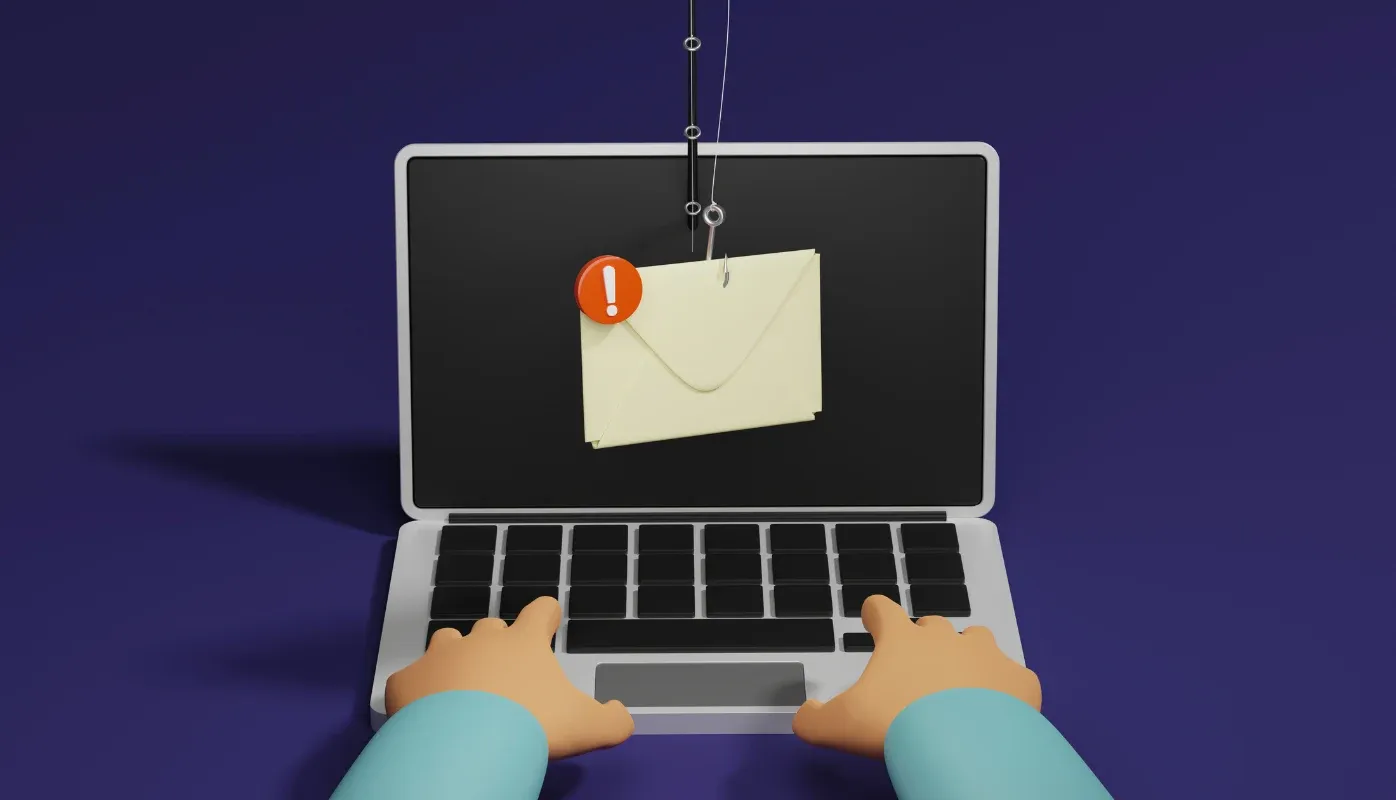
Understanding Online Scams: An Overview
Online scams are deceptive schemes conducted over the internet to steal money or personal information. Common characteristics of these scams include seemingly legitimate solicitations, urgent requests for action, and offers that seem too good to be true. The rapid expansion of the digital environment has led to increased the frequency and sophistication of scams. According to recent data, there has been a 20% rise in reported online fraud cases annually, highlighting the pervasive threat in today's cyberspace.
Need Help? Use Legacy Suite Inc
Modernizing Legacy Planning for the Digital Age
Legacy Suite is your easy-to-use solution that combines estate planning and digital asset security. Manage important documents, keep your files safe, and protect your cryptocurrency. All in one place. Start your Legacy journey today!. To learn more, Visit. 888-578-4846
Demographics most targeted by scammers include older adults, who may be less familiar with online security practices, and younger individuals, particularly those active on social media. Vigilance and education are crucial in mitigating scam risks, as awareness is the first line of defense.
Common Types of Online Scams
Phishing scams are a prevalent threat. In these scams, fraudulent emails or messages mimic legitimate sources to steal login credentials. Recognizing these scams involves scrutinizing email addresses for anomalies and avoiding link click-throughs unless verified.
Identity theft involves the misuse of personal data. Scammers use tactics like fake websites and unsolicited requests for information. Preventive measures include using identity theft protection services and being discreet with personal information.
Financial scams span various forms, including Ponzi schemes and fake investments. These scams entice individuals with promises of high returns. One must thoroughly research investment opportunities and only engage through reputable platforms.
Social engineering attacks leverage psychological manipulation to trick individuals into revealing information or performing actions. Understanding these techniques and maintaining a skeptical mindset is crucial to thwarting such attacks.
Strategic Measures for Scam Prevention
To safeguard against scams, staying informed about current trends is key. Conducting regular training sessions on cybersecurity practices for yourself and your team can bolster defenses.
Multi-factor authentication (MFA) adds an extra layer of security, ensuring that accessing sensitive information requires more than just a password. It's advisable to implement MFA wherever possible.
Continuous education on cybersecurity is essential as threats evolve. Subscribing to reliable cybersecurity resources and workshops can keep you updated with the latest best practices.
Having a comprehensive response plan for scam incidents can minimize damage. This should include protocols for identifying, reporting, and rectifying suspected scams swiftly.
Operational Support and Tools to Combat Scams
Adopting AI-driven cybersecurity software can help detect and mitigate threats in real-time. These tools analyze patterns and deviations in data activities, providing an advanced level of security.
Keeping systems updated and regularly patching software helps close vulnerabilities that scammers exploit. This basic maintenance is often overlooked, yet it's an effective preventive measure.
A Virtual Private Network (VPN) is advisable for protecting data transmission, especially when accessing the internet over unsecured connections. A reliable VPN ensures your data remains shielded from prying eyes.
Monitoring network traffic for unusual activities can reveal potential threats early on. This continuous oversight is crucial for identifying and addressing security breaches swiftly.
Buyer’s Guide to Safe Online Transactions
Before making online transactions, verifying the legitimacy of vendors and marketplaces is imperative. Look for secure URLs (https) and customer reviews for assurance.
Using secure payment gateways instead of direct bank transfers enhances the security of your financial transactions. These gateways provide an additional buffer against potential fraud.
Limit sharing personal information on unfamiliar platforms. Scammers often extract personal data via deceptive means, so staying cautious is vital.
Offers that seem excessively advantageous require scrutiny. The old adage, “If it's too good to be true, it probably is,” applies, urging a cautious approach to such enticing deals.
Responding to a Potential Scam
If you suspect a scam, acting promptly is crucial. Cease all communication with the scammer and bank transactions, if applicable, while securing accounts by changing passwords.
Reporting scams to authorities and relevant platforms can help contain and resolve the issue. Platforms often have dedicated support to assist with scam reports.
Utilizing scam reporting services can aid in alerting others and reducing the scammers' reach. Communities benefit from shared information on scams encountered.
In instances of compromised accounts, quick recovery is critical to mitigating damage. This may involve contacting service providers and following their protocols for account restoration.
Building Long-term Resilience Against Online Scams
Cultivating a culture of cybersecurity awareness within personal and professional environments is fundamental. This involves regular discussions and initiatives to keep security at the forefront.
Regularly updating cybersecurity knowledge is imperative. Engaging with educational events or webinars can enhance understanding and preparedness against evolving threats.
Participating in online communities focused on scam prevention offers valuable insights and experiences from others facing similar issues, helping enhance one's defensive strategies.
Periodic risk assessments and audits of digital practices provide an overview of security status, enabling prompt corrections and improvements in safeguarding efforts.
Legacy Suite Inc Business Address: 3790 El Camino Real #1121 City: Palo Alto State: CA Zip: 94306 Phone: 888-578-4846