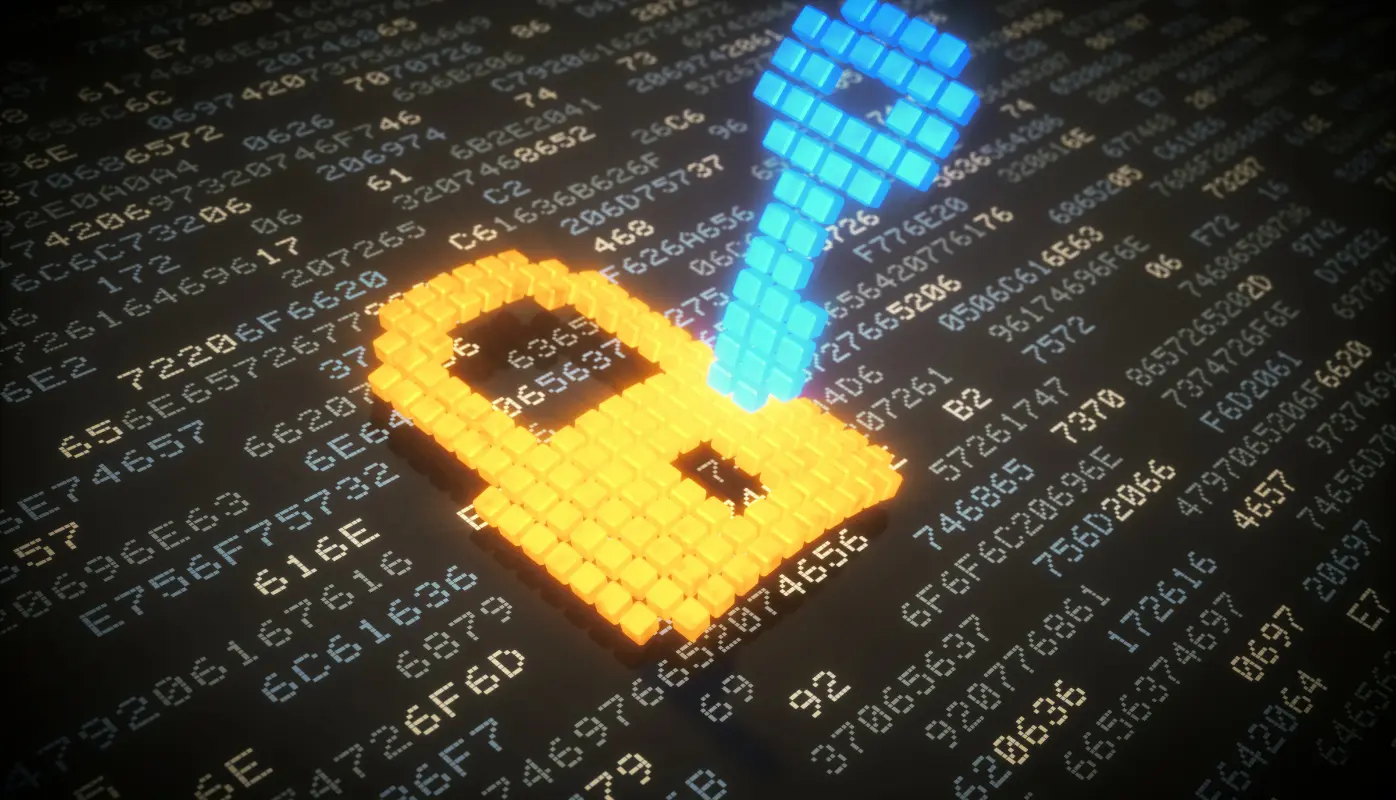
Data encryption is a method of converting information into a coded format to prevent unauthorized access. The importance of encryption lies in its ability to secure sensitive data from potential breaches. Data breaches have significantly impacted businesses worldwide, leading to financial losses and reputational damage.
Encryption algorithms play a crucial role in this process. These algorithms use complex mathematical functions to transform readable data (plaintext) into an unreadable format (ciphertext). The importance of encryption has grown in the digital age, as businesses increasingly rely on online transactions and cloud storage, making data protection imperative.
Need Help? Use Legacy Suite Inc
Modernizing Legacy Planning for the Digital Age Legacy Suite is your easy-to-use solution that combines estate planning and digital asset security. Manage important documents, keep your files safe, and protect your cryptocurrency. All in one place. Start your Legacy journey today!. To learn more, Visit. 888-578-4846
Types of Encryption
**Symmetric encryption** involves the use of a single key for both encryption and decryption. Examples include Advanced Encryption Standard (AES) and Data Encryption Standard (DES). These methods are efficient for encrypting large amounts of data.
**Asymmetric encryption** uses a pair of keys: a public key for encryption and a private key for decryption. Examples include RSA and ECC (Elliptic Curve Cryptography). This method is ideal for situations where secure key distribution is necessary.
**End-to-end encryption** ensures that data is encrypted on the sender's device and only decrypted on the recipient's device. This provides robust security for communication apps and online messaging services. Its importance cannot be overstated in protecting user privacy.
**Disk encryption vs. file encryption** involves securing entire disks or individual files. Disk encryption is useful for protecting data at rest on devices, while file encryption is better suited for securing individual files in transit or storage.
Benefits of Using Data Encryption
Enhanced security and protection against data breaches are some of the primary advantages of data encryption. Encrypted data is significantly less vulnerable to cyber-attacks, reducing the risk of unauthorized access.
Compliance with legal and regulatory requirements, such as GDPR and HIPAA, is another crucial benefit. Many regulations mandate the use of encryption to protect sensitive information.
Trust and credibility with customers and partners can be bolstered when businesses use encryption. Secure data practices demonstrate a commitment to protecting personal and corporate information.
Data integrity and protection against unauthorized access ensure that information remains accurate and unchanged. Encryption helps verify that data has not been tampered with during transmission or storage.
Implementing Encryption in Your Business
Conducting a data risk assessment is the first step in identifying sensitive information that requires protection. This involves evaluating which data is vulnerable and how it can be secured.
Choosing the right encryption solutions and tools involves researching available options and selecting those that best fit your business needs. Whether opting for software-based or hardware-based solutions, ensuring compatibility with existing systems is critical.
Integration with existing IT infrastructure requires careful planning to ensure that encryption tools work seamlessly with current systems. This may involve coordinating with IT teams and external vendors.
Best practices for encryption key management involve securely storing and controlling access to encryption keys. Regularly updating and rotating keys can mitigate the risk of key compromise.
Common Challenges and Solutions
Performance degradation is a common issue with encryption, as the process can slow down data operations. To mitigate this, businesses can use hardware acceleration or optimize encryption algorithms.
Managing encryption keys securely is another challenge. Solutions include using hardware security modules (HSMs) and key management services to safeguard keys.
Balancing security and accessibility requires ensuring that encryption measures do not hinder legitimate access to data. Implementing user-friendly authentication mechanisms can help maintain this balance.
Ensuring scalability and flexibility in encryption solutions involves selecting tools that can grow with your business. Cloud-based encryption services provide scalable and flexible options for varying data security needs.
Real-World Examples and Case Studies
ABC Corporation effectively implemented encryption by integrating AES encryption across their databases, significantly reducing the risk of data breaches. This proactive approach enhanced their overall security posture.
An example of encryption failure is the breach at XYZ Inc., where weak encryption protocols led to unauthorized data access. Learning from such failures highlights the importance of robust encryption practices.
Industry leaders like Microsoft have emphasized the value of end-to-end encryption in protecting user data. Their aggressive adoption of encryption technologies showcases the benefits of investing in secure data practices.
The return on investment (ROI) for encryption technologies can be significant. Businesses often experience reduced data breach costs and improved customer trust, making encryption a worthy investment.
Future Trends in Data Encryption
The evolution of encryption technologies and algorithms continues to shape the cybersecurity landscape. Innovations like homomorphic encryption show promise for secure data processing.
Quantum computing poses a potential threat to current encryption methods. Businesses should stay informed about advancements in quantum-safe encryption to future-proof their data security.
Zero-trust architecture is becoming more prevalent, emphasizing the need for rigorous encryption practices. This architecture requires continuous verification of user and device authenticity.
Predictions for industry standards and regulations indicate a trend toward stricter data protection requirements. Staying updated with these standards ensures compliance and robust data security practices.
Legacy Suite Inc Business Address: 3790 El Camino Real #1121 City: Palo Alto State: CA Zip: 94306 Phone: 888-578-4846