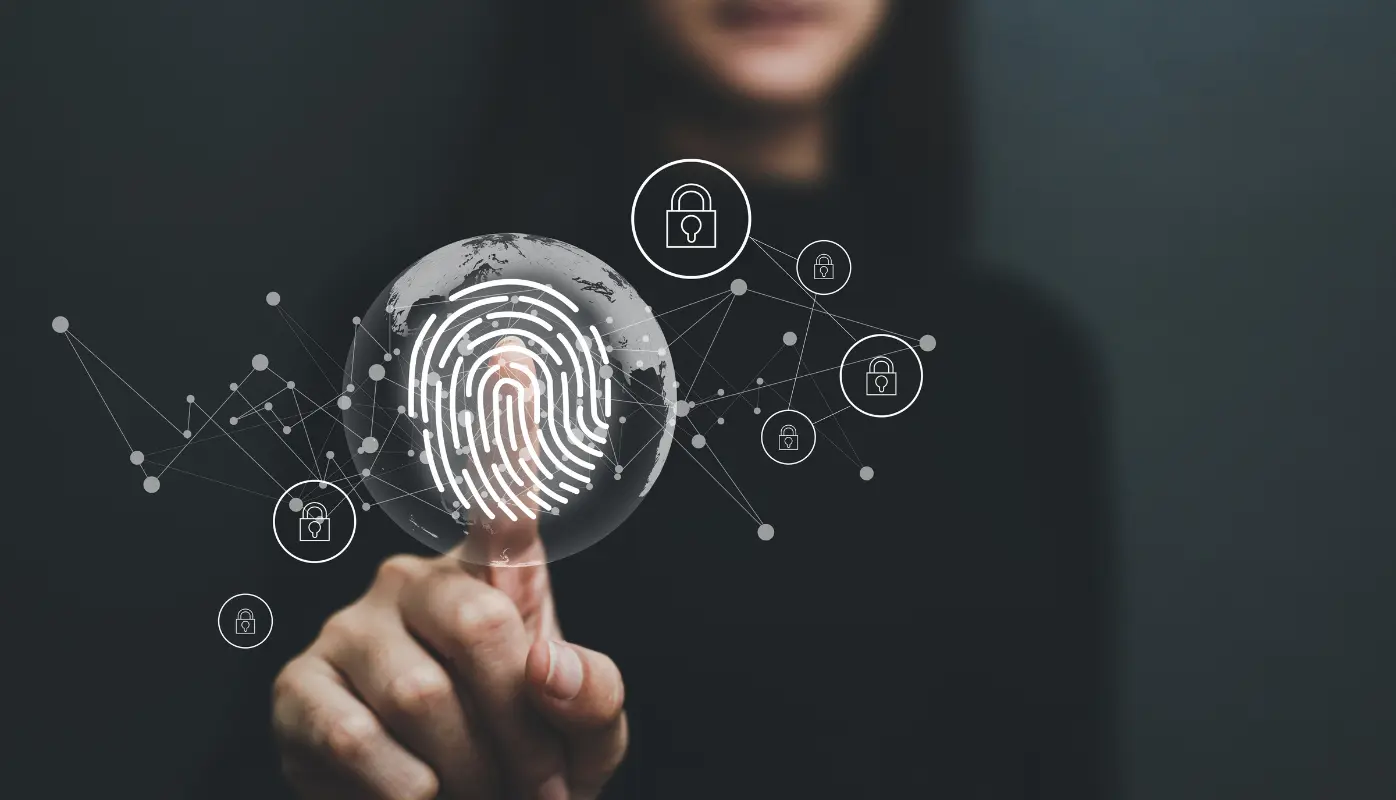
Digital identity comprises the information available about an individual, such as social media profiles, online transactions, and personal data. In today's interconnected world, our digital identities are as valuable as our physical ones. With increasing cyber threats, both individuals and businesses must shield their digital presence. Shielding digital identity is not just a matter of security; it's a necessity. This guide will delve into essential steps to safeguard your digital identity in an ever-evolving landscape of cyber threats.
Need Help? Use Legacy Suite Inc
Modernizing Legacy Planning for the Digital Age Legacy Suite is your easy-to-use solution that combines estate planning and digital asset security. Manage important documents, keep your files safe, and protect your cryptocurrency. All in one place. Start your Legacy journey today! To learn more, Visit. 888-578-4846
Understanding Digital Identity
Digital identity encompasses all the data available about an individual online. This includes social media accounts, online banking information, and personal data shared on various platforms. Every online activity contributes to an individual's digital footprint, which is a traceable set of data that can be used to identify a person. Digital identity is crucial in several sectors, such as finance, healthcare, and social media.
Cybercriminals often use methods such as phishing, malware, and social engineering to steal digital identities. Understanding how your digital identity is formed and utilized can help you implement better protection strategies.
Conducting a Digital Identity Audit
Conducting a digital identity audit involves identifying and cataloging all digital assets. Regular audits help ensure that you know what information is out there and how it's being used. Start by listing all your online accounts and associated data. Next, review each account's security settings and update where necessary.
Regular audits not only help you stay organized but also identify potential vulnerabilities. Tools like "Dashlane" and "LastPass" can assist in the auditing process, making it easier to keep track of your digital footprint.
Implementing Strong Authentication Methods
Strong, unique passwords are the first line of defense against unauthorized access. Use a mix of upper and lower case letters, numbers, and special characters to create robust passwords. Consider using a password manager to keep track of your passwords securely.
Two-factor authentication (2FA) and multi-factor authentication (MFA) add additional layers of security by requiring more than just a password to log in. Emerging technologies like biometrics and hardware tokens are also worth exploring to enhance security further.
Securing Devices and Networks
Up-to-date antivirus and anti-malware software are crucial for protecting your devices. Regularly updating software and firmware ensures that you have the latest security patches. Secure your Wi-Fi network with strong encryption methods like WPA3.
Using a Virtual Private Network (VPN) can add an extra layer of security by encrypting your internet connection, making it harder for cybercriminals to intercept your data.
Practicing Safe Online Behavior
Phishing attacks are one of the common methods cybercriminals use to steal information. Always double-check emails and links before clicking on them. Avoid using public Wi-Fi for sensitive transactions, as these networks are often less secure.
Review your privacy settings on social media platforms to limit the amount of personal information visible to the public. Download apps and software only from trusted sources to reduce the risk of malware infections.
Monitoring and Responding to Threats
Regularly monitor your credit reports and bank statements for any unusual activities. Setting up alerts can help you catch unauthorized transactions early. If you suspect that your digital identity has been compromised, act quickly by changing passwords and notifying relevant authorities.
Identity theft protection services can also offer an additional layer of security by monitoring your information and providing alerts in case of suspicious activities.
Employee Training and Awareness
Employee awareness is vital in protecting an organization's digital identity. Regular training sessions on cybersecurity best practices can significantly reduce the risk of data breaches. Provide resources and tools for continuous learning to keep everyone updated on the latest threats and protection methods.
Fostering a culture of security within the organization ensures that everyone takes an active role in maintaining the company's digital identity.
Final Thoughts
Protecting your digital identity requires a multi-faceted approach. By conducting regular audits, implementing strong authentication methods, and securing your devices and networks, you can significantly reduce the risk of identity theft. Safe online behavior and continuous monitoring are equally important in this ongoing battle.
Don't wait for a threat to become a reality. Start implementing these steps today to protect your digital identity and ensure peace of mind.
Legacy Suite Inc Business Address: 3790 El Camino Real #1121 City: Palo Alto State: CA Zip: 94306 Phone: 888-578-4846